Approaching a Decolonized Zion
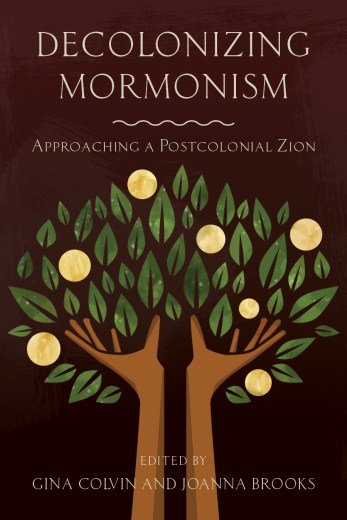 There are many books that influenced my development as a young Mormon academic, but few were as significant as Hugh Nibley’s Approaching Zion. A collection of essays spanning several decades, the volume was Nibley at his finest: cultural gadfly, materialist critic, and armchair historian. Even as I might have grown a bit disillusioned with his historical chops—it turns out Brigham Young wasn’t the intellectual and individualistic iconoclast Nibley promised!—several fundamental lessons from the book still shape me today: an abhorrence toward the gross accumulation of wealth, a love for intellectual inquiries, and, most importantly, a belief that one could still be a Mormon while simultaneously critiquing the faith’s mainstream culture.
Also, the book made me a Democrat, so there’s that. Read More
 Benjamin E. Park